How Does Artificial Turf Compare to Hard Court for Tennis?
Choosing between artificial turf and a hard court affects more than appearance. The surface influences ball speed, movement, maintenance, drainage, comfort, and repairs. For schools, clubs, municipalities, and homeowners, the better choice depends on intended use and maintenance capacity.
Understanding the Two Surface Types
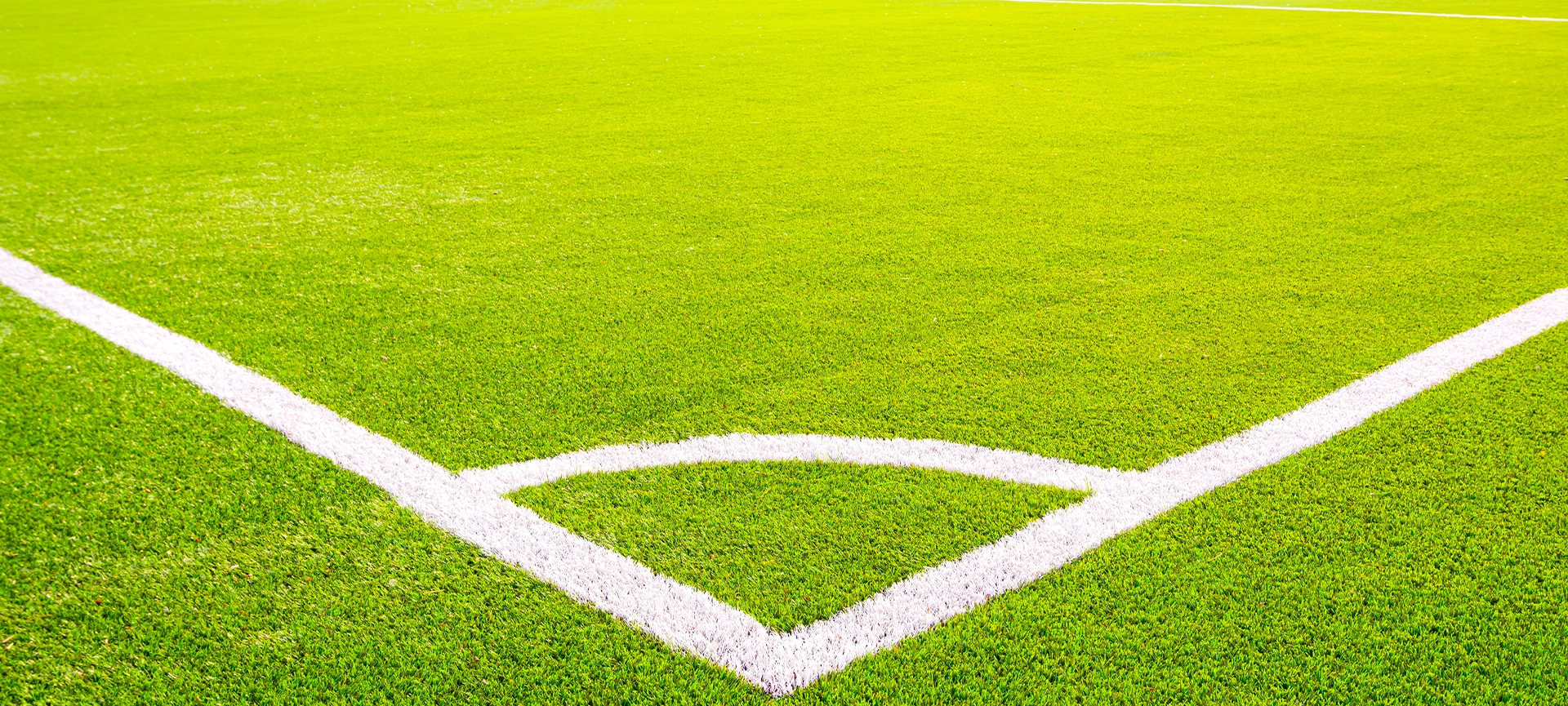
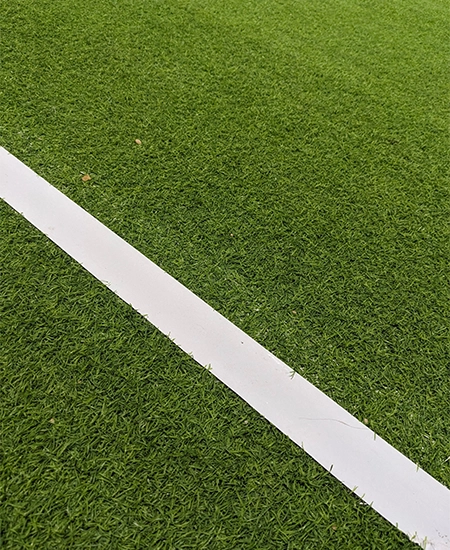
Artificial turf tennis courts use synthetic fibres installed over a prepared base. Sand infill is often added to support the fibres, control traction, and influence ball response. The finished surface feels softer than acrylic and can resemble a closely cut grass court.
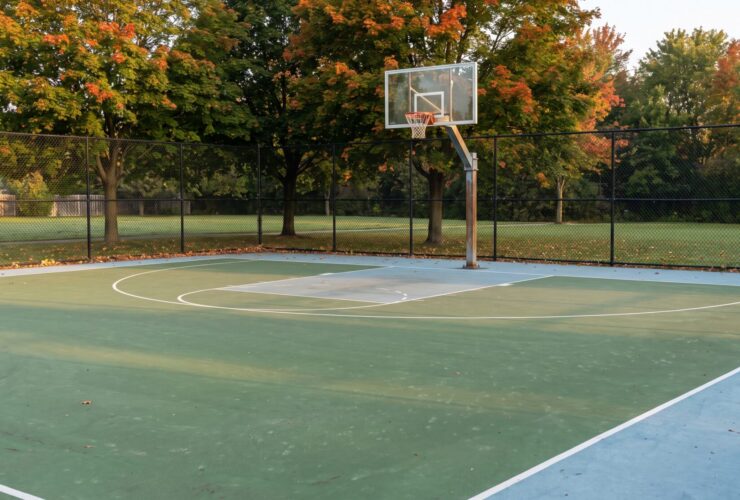
Hard courts usually use an asphalt or concrete base finished with an acrylic coating. The coating adds colour, texture, traction, and consistent ball response. These courts are common across Canada because they suit recreational play, training, league matches, and multi-sport use.
Both systems require careful base preparation. Accurate grading creates an even surface, supports drainage, and limits water collection. Performance depends heavily on the work below the visible finish.
Related Article: 5 Signs You Need Tennis Court Resurfacing Before The Heat Hits
How Ball Speed and Bounce Compare
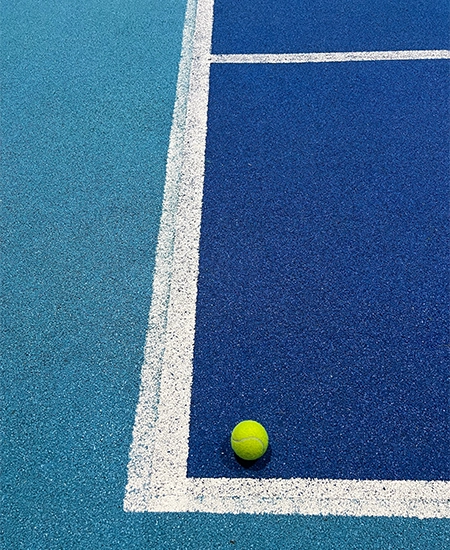
Hard courts are known for a clear, predictable bounce. Acrylic texture can be adjusted during installation or resurfacing to create a slower or faster court. This consistency helps players judge timing, develop technique, and move between different hard-court facilities with fewer adjustments.
Artificial turf often produces a lower, faster, skidding bounce. Sand level, fibre height, wear, and moisture influence ball response. Players may need to bend lower and react faster.
For coaching, competitive training, and organized matches, hard courts usually provide greater consistency. Artificial turf suits casual play, but response may vary as infill shifts or fibres flatten.
Player Movement and Physical Comfort
Movement differs on each surface. Hard courts provide firm traction for starts, stops, and direction changes. Players can push off confidently, but the firm base transfers more impact through the lower body.
Artificial turf adds cushioning and may feel more comfortable during long recreational sessions. This can appeal to older players or social tennis programs. Uneven infill, however, can create slippery or heavy areas.
Court owners should consider who will play most often. A competitive program may prioritize stable traction and reliable movement. A private or community court may place greater value on comfort, lower impact, and a softer feel underfoot.
Maintenance Needs For Each Surface
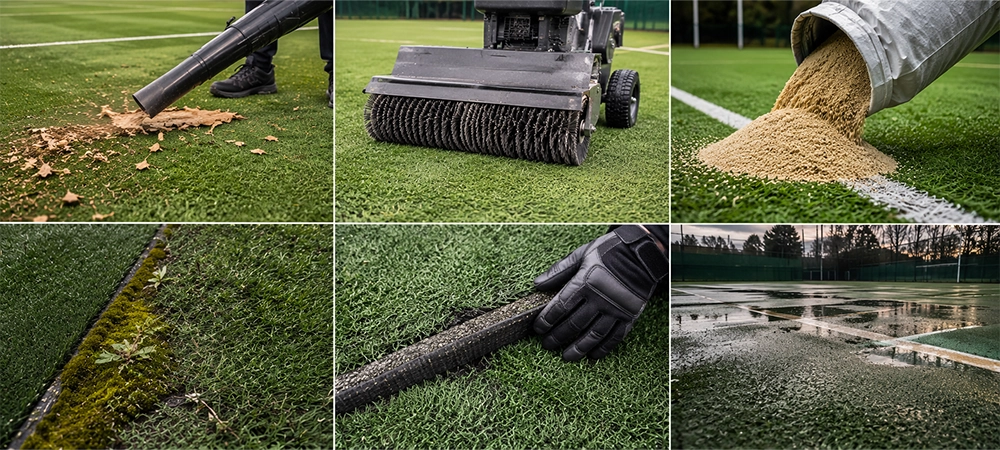
Artificial turf avoids acrylic resurfacing, but it still requires routine care. Leaves, debris, moss, weeds, and organic material can settle between the fibres. The infill also needs brushing and redistribution to keep the surface level and prevent compacted zones.
Typical artificial turf maintenance may include:
- Regular blowing or sweeping
- Mechanical brushing
- Infill top-ups
- Weed and moss control
- Seam and edge inspections
- Drainage checks after storms
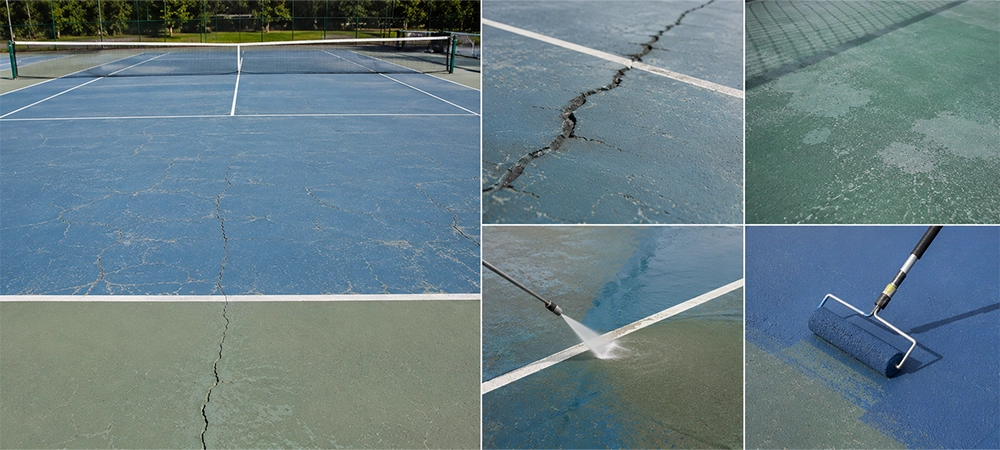
Hard courts need cleaning, crack checks, and periodic resurfacing. Freeze-thaw cycles can widen small cracks, while ultraviolet exposure, weather, and play gradually wear acrylic coatings.
A hard court may look easier to maintain week by week, yet resurfacing becomes an important long-term requirement. Artificial turf needs more frequent surface grooming, while hard courts usually need less routine attention between repair cycles.
Related Article: Artificial Turf Vs. Natural Grass: Maintenance, Cost, And Playability
Drainage and Ontario Weather
Ontario weather places stress on every outdoor tennis court. Rain, snow, summer heat, and repeated freezing and thawing can affect the base, surface, edges, and drainage system.
Artificial turf is porous, so water can move through the surface when the base and drainage layers are built correctly. This may support faster drying after rainfall. Debris, compacted infill, poor grading, or blocked drainage can still cause standing water and slow recovery.
Hard courts shed water across the surface. Precise slope and grading direct water away from the playing area. Low spots can create puddles, staining, coating damage, and longer closures after rain.
Neither surface can compensate for weak construction. A stable base, accurate elevations, suitable drainage, and professional installation have a direct effect on performance and lifespan.
Durability and Repair Considerations
Hard courts can last for years when the base stays stable and maintenance is timely. Resurfacing can renew coatings, repair cracks, and refresh line markings.
Artificial turf also lasts for years, but wear appears differently. Fibres can flatten, seams may separate, and infill can migrate from heavy-use areas. Repairs may involve seam work, fibre replacement, infill correction, or full carpet replacement when needed.
Owners should look beyond the first installation. Ask how each system will be repaired, whether matching materials will remain available, and what access contractors will need for future work. A court that can be maintained efficiently may offer better value than one with a lower initial price.
Multi-Sport Use and Facility Flexibility
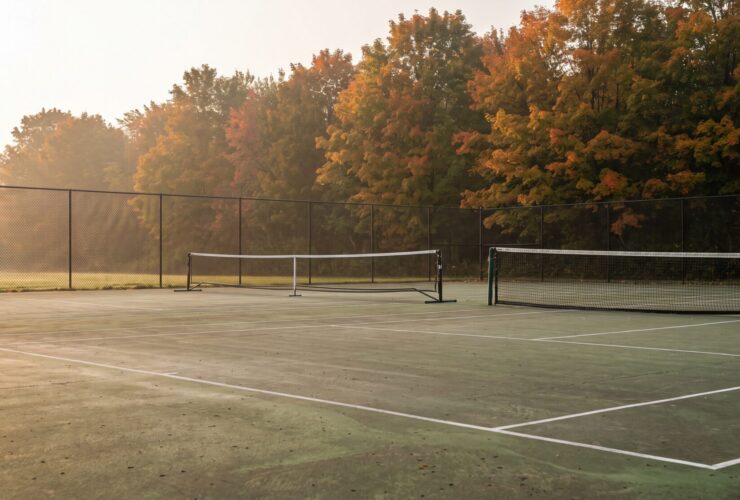
Hard courts work well for tennis, basketball, pickleball, and general recreation. Acrylic systems can include multiple line colours, textured finishes, and sport-specific layouts. This makes hard courts a practical choice for schools, parks, condominiums, and community facilities serving several user groups.
Artificial turf can support tennis and selected low-impact activities, but it is less suitable for sports that depend on a firm, true bounce. Basketball and many pickleball programs generally perform better on hard acrylic surfaces.
Before choosing, list every planned activity, expected player volume, available storage, and scheduling needs. A single-use private court has different demands from a busy public facility that changes sports throughout the day.
Comparing Upfront and Long-Term Costs
Pricing depends on court size, access, excavation, base condition, drainage, fencing, lighting, and surface specification. Artificial turf may carry higher material and installation costs, especially when drainage layers or extensive base work are required.
Hard courts may offer a more familiar construction path, but the budget should include crack repair, coating renewal, and future resurfacing. Existing asphalt or concrete may also need correction before a new acrylic system can be applied.
The most useful cost comparison includes:
- Initial construction or conversion
- Annual cleaning and maintenance
- Expected repair frequency
- Major renewal or replacement
- Downtime during service
- Suitability for planned programming
A lower quote can become expensive when it leaves out drainage, grading, base repairs, or realistic maintenance.
Which Tennis Surface Should You Choose?
Choose a hard court when consistent bounce, competitive play, multi-sport use, and straightforward resurfacing matter most. Hard courts are especially suitable for schools, clubs, municipal facilities, and homeowners who want a familiar tennis experience.
Choose artificial turf when comfort, a softer surface, quick drainage, and recreational play are higher priorities. It may suit private homes, social clubs, or players who prefer a lower and faster ball response.
The final decision should reflect player needs, site conditions, drainage, maintenance capacity, and future use. A professional site review can identify base problems, slope requirements, repair needs, and construction limits before money is committed.
Related Article: How Long Does A Tennis Court Construction Take?
Build the Court Around Real Use
The right tennis surface is the one that performs well for its intended players and remains practical to maintain. CrowAll Surface Contractors can assess existing conditions, explain surface options, and use precise grading methods to support safe, consistent play across Ontario.
Whether the project involves a new court, resurfacing, or conversion, careful planning below the surface matters as much as the visible finish. A clear comparison of performance, maintenance, weather response, and future costs will lead to a stronger investment.
Book with us today for your planned tennis court repairs and maintenance.
Frequently Asked Questions
Can artificial turf be installed over an existing hard court?
Sometimes, provided the existing base is structurally sound, properly graded, and able to drain. Contractors must inspect cracks, settlement, drainage, edges, and elevations first. Installing turf over a failing base can hide defects rather than correct the underlying problem properly.
Does artificial turf require special tennis footwear?
Players should wear shoes with suitable grip and avoid aggressive tread that may disturb infill or catch in the fibres. Facility owners can follow the surface manufacturer’s footwear guidance and post clear rules to protect players, seams, and playing conditions.
Which surface stays cooler during hot weather?
Surface temperature varies with colour, sunlight, airflow, moisture, and surrounding materials. Dark acrylic and synthetic fibres can both become hot in direct sun. Shade, lighter finishes, scheduled watering where appropriate, and cooler playing times can improve overall comfort during heat.
Can a tennis court surface affect noise levels?
Yes. Ball impact, footwear, fencing, and nearby structures all influence perceived noise. Artificial turf may soften some footfall and ball sounds, while hard courts can produce sharper impacts. Site layout, screening, hours, and neighbour distance remain important local planning factors.
How should court owners prepare for winter?
Remove debris, inspect drainage, repair vulnerable edges, and address visible damage before freezing weather. Avoid storing heavy equipment on the court. Follow surface-specific snow removal guidance, since sharp tools, harsh chemicals, or careless machinery can damage coatings, fibres, and seams.
A hard court in decent condition can also be adapted for more than tennis. Our guide on converting a tennis court into a pickleball court explains what that conversion involves, from line marking to net height.
For anyone leaning toward turf instead, choosing the right infill material is just as important as the turf itself, since it shapes how the surface plays and how hot it gets on a summer afternoon.