Why Proactive Sports Court Maintenance Saves Thousands vs. Costly Repairs
Small surface issues rarely stay small. On sports courts, what starts as minor wear can quickly turn into structural damage that demands expensive repairs. Proactive maintenance keeps costs predictable and extends the life of your investment.
For facilities, schools, and homeowners, the difference between routine upkeep and reactive repairs often comes down to thousands of dollars over time.
The Real Cost of Waiting Too Long
Delaying maintenance may feel like a cost-saving move, but it often leads to higher expenses later.
Cracks, drainage issues, and surface wear do not remain static. They worsen with use and exposure to weather. Once damage spreads beneath the surface, repairs shift from simple fixes to full resurfacing or reconstruction.
Here is what typically happens when maintenance is delayed:
- Small cracks expand and allow water infiltration
- Freeze and thaw cycles weaken the base layer
- Uneven surfaces develop, affecting playability and safety
- Coatings wear out faster due to exposure and friction
What could have been a minor repair becomes a larger project that requires more labour, materials, and downtime.
Related Article: Tennis Court Maintenance Vs. Replacement: When to Repair and When to Invest
What Proactive Maintenance Actually Includes
Proactive maintenance is not just occasional cleaning. It is a structured approach to preserving surface performance and durability.
For sports courts, this often includes:
- Crack filling before expansion
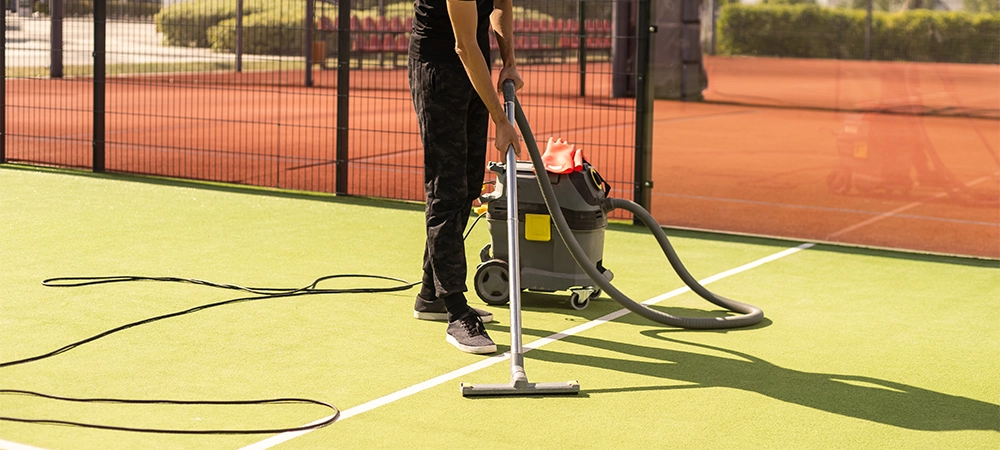
- Surface cleaning to remove debris and buildup
- Acrylic coating touch-ups to maintain traction
- Drainage checks to prevent water pooling
- Line repainting for clear visibility
These steps help maintain consistent play conditions while preventing deeper structural issues.
Working with specialists like CrowAll Surface Contractors Ltd. ensures that maintenance is done with precision and aligned with the court’s construction standards.
How Maintenance Extends Surface Lifespan
Every sports surface has a lifecycle. The goal of maintenance is to stretch that lifecycle as far as possible without compromising performance.
Hard courts made from asphalt or concrete typically require resurfacing every three to five years. Without maintenance, that timeline shortens significantly.
Proactive care helps:
- Preserve the integrity of the base layer
- Maintain proper traction and ball response
- Reduce the frequency of full resurfacing
- Prevent structural failure
In practical terms, a well-maintained court may last years longer before needing major work.
The Financial Gap: Maintenance vs. Repairs
The cost difference between routine maintenance and reactive repair is substantial.
Proactive Maintenance Costs:
- Scheduled inspections
- Minor repairs and touch-ups
- Surface cleaning and coating upkeep
Reactive Repair Costs:
- Full resurfacing projects
- Base reconstruction
- Drainage system corrections
- Extended labour and material use
A small crack repair completed early costs a fraction of what it takes to fix widespread surface failure. Over time, consistent maintenance reduces total ownership costs.
Performance and Safety Are Directly Affected
Cost is not the only factor. Performance and safety are directly tied to surface condition.
A neglected court often develops:
- Uneven bounce due to surface inconsistencies
- Reduced traction, increasing slip risk
- Standing water that disrupts play
- Visible cracks that create trip hazards
Proactive maintenance keeps surfaces level, consistent, and safe for players of all levels. This is especially important for facilities that host regular games or training sessions.
Drainage: The Hidden Cost Driver
Drainage is one of the most overlooked factors in court maintenance. Poor drainage accelerates surface damage and leads to costly repairs.
When water does not drain properly:
- It seeps into cracks and expands during temperature changes
- It weakens the base structure over time
- It causes surface coatings to deteriorate faster
Proper grading and regular inspections help prevent these issues. Precision techniques such as laser-guided grading improve drainage performance and reduce long-term repair needs.
Why Timing Matters in Maintenance
Maintenance is most effective when done early and consistently. Waiting until damage is visible often means the problem has already progressed.
A proactive schedule typically includes:
- Annual inspections
- Seasonal cleaning and minor repairs
- Resurfacing at recommended intervals
This approach keeps issues manageable and prevents sudden, high-cost repairs.
Material Performance Depends on Upkeep
Different court materials respond differently to wear, but all benefit from maintenance.
- Asphalt and concrete need sealing and crack repair
- Acrylic coatings require periodic reapplication
- Synthetic surfaces benefit from cleaning and infill management
- Clay courts demand frequent grooming and moisture control
Ignoring maintenance reduces the performance of each material and shortens its usable life.
Related Article: Can Sports Surfaces Be Sustainable?
Property Value and Long-Term ROI
A well-maintained sports court adds value to a property. It signals quality, usability, and lower future costs.
On the other hand, a damaged court can:
- Lower property appeal
- Require costly repairs before sale
- Deter potential buyers or users
Proactive maintenance protects the return on investment by keeping the surface functional and visually appealing.
Common Mistakes That Lead to Higher Costs
Many property owners unintentionally increase their long-term expenses by overlooking simple practices.
These mistakes include:
- Ignoring small cracks or surface defects
- Skipping routine cleaning and inspections
- Delaying resurfacing beyond recommended timelines
- Using improper repair methods
Each of these choices allows damage to progress, leading to more complex and expensive fixes.
When to Call a Professional
Not all maintenance tasks can be handled without expertise. Professional assessment is essential when:
- Cracks begin to spread across multiple areas
- Water pooling becomes consistent
- Surface texture changes or wears unevenly
- The court has not been serviced in several years
Experienced contractors can identify underlying issues and recommend the right level of intervention before costs escalate.
Related Article: Maintenance 101: Keeping Your Sports Court in Prime Condition
The Long-Term Advantage of Staying Ahead
Proactive maintenance is not an added expense. It is a cost-control strategy.
By addressing issues early, you:
- Avoid large, unexpected repair bills
- Maintain consistent performance and safety
- Extend the lifespan of the surface
- Protect your overall investment
Over time, the savings from preventive care far outweigh the cost of reactive repairs.
Protect Your Court Before Problems Grow
Waiting for visible damage often means paying more later. A structured maintenance plan keeps your court safe, playable, and cost-efficient year after year.
If your surface shows early signs of wear or has not been inspected recently, now is the time to act. Book a professional assessment and keep repairs small before they become major.
Frequently Asked Questions
How do I know if my court needs maintenance or full repair?
Early signs such as small cracks, slight colour fading, or reduced traction usually indicate maintenance is enough. If you notice widespread cracking, pooling water, or uneven areas, a more extensive repair or resurfacing may be required.
How often should a sports court be inspected?
A professional inspection at least once a year is recommended. High-use courts or those exposed to harsh weather may benefit from inspections every six months to catch issues early.
Does weather impact how quickly damage develops?
Yes. Rain, temperature changes, and UV exposure all affect surface condition. Freeze and thaw cycles are especially damaging, as water expands within cracks and weakens the structure.
Can regular cleaning really make a difference?
Yes. Removing debris, dirt, and organic buildup prevents surface breakdown and reduces moisture retention. This simple step supports better traction and slows down wear.
Is it better to schedule maintenance before or after peak usage seasons?
Scheduling maintenance before peak usage is ideal. This ensures the surface is in good condition when activity is highest and reduces the risk of disruptions during busy periods.
What is the risk of ignoring minor surface damage?
Minor damage often spreads quickly. Small cracks can expand, allow water intrusion, and lead to structural issues. Addressing them early helps avoid more expensive repairs later.
Can maintenance improve play quality, or is it only about preventing damage?
Maintenance improves both. A well-maintained surface provides consistent ball response, better traction, and a safer playing experience while also preventing long-term damage.