Best Time of Year to Start Building Sports Courts
Timing a sports court project affects cost, durability, and how soon you can use the space. Weather, ground conditions, and contractor availability all play a role, but the impact goes deeper than scheduling alone.
Temperature influences how materials cure, rainfall affects excavation and base stability, and seasonal demand can shift both pricing and timelines.
Choosing the right season helps avoid delays, reduces the risk of structural issues, and ensures the surface performs as intended from day one.
Related Article: Summer Vs. Fall: Best Time of Year to Build or Resurface a Sports Court in Canada
Why Timing Matters in Sports Court Construction
Starting at the wrong time can lead to setbacks that affect both budget and quality. Materials like asphalt and acrylic coatings depend on proper temperatures to cure correctly. Ground conditions also influence how stable the base will be over time.
A well-timed project allows for:
- Faster construction timelines
- Better surface performance
- Reduced risk of weather-related damage
- More predictable scheduling
CrowAll emphasizes precision during installation, including laser-guided grading for consistent results and proper drainage.
Spring: A Strong Start for Most Projects
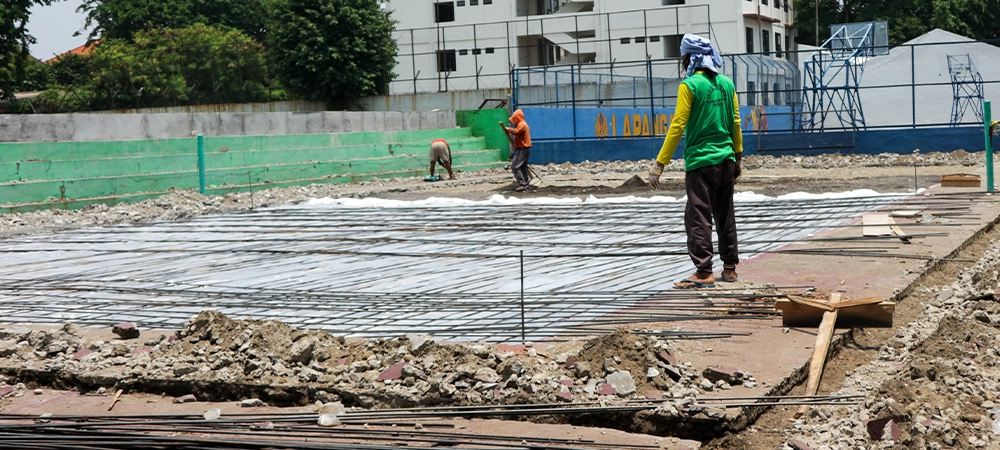
Spring is often considered the ideal season to begin construction. As temperatures rise and frost leaves the ground, conditions become stable enough for excavation and base preparation.
Why Spring Works Well
- Soil is easier to work with after thawing
- Moderate temperatures support proper curing
- Projects completed in spring are ready for summer use
However, early spring can still bring rain. Proper drainage planning becomes essential to avoid delays or water-related issues during construction.
Summer: Fast Builds With Reliable Conditions
Summer offers the most predictable weather window, especially in regions like Ontario. Warm temperatures help materials cure efficiently, which can speed up the overall build.
Benefits of Summer Construction
- Consistent dry weather reduces interruptions
- Faster curing for asphalt and coatings
- Longer working hours due to extended daylight
The main drawback is demand. Contractors are busiest during this season, which may lead to longer wait times or higher costs if booking late.
Fall: The Underrated Sweet Spot
Fall is often overlooked, yet it provides excellent conditions for sports court construction. Cooler temperatures and lower humidity create a stable environment for both groundwork and surface application.
Why Fall Is a Smart Choice
- Reduced contractor demand compared to the summer
- Stable temperatures for material performance
- Enough time for curing before winter
Starting in early fall allows the court to settle properly before colder weather arrives. This helps prevent issues like cracking or surface inconsistencies later on.
Winter: Limited but Not Impossible
Winter is generally the least favourable time for outdoor court construction, especially in colder climates. Frozen ground and low temperatures make excavation and surface application difficult.
When Winter Construction Works
- Indoor sports facilities
- Mild climates with minimal frost
- Early planning and design phases
Most outdoor projects are paused during this season, but it is a great time to schedule consultations, finalize designs, and secure your spot for spring.
How Climate and Location Affect Timing
Seasonal recommendations can vary depending on local conditions. In colder regions, frost depth and freeze-thaw cycles directly impact the stability of the court base.
Key climate considerations include:
- Ground frost levels
- Rainfall frequency
- Temperature consistency
- Drainage requirements
Proper grading ensures water flows away from the surface, preventing long-term damage and improving playability.
Related Article: Sport Court Landscaping: Where to Start?
Choosing the Right Surface Based on Season
Different materials respond differently to seasonal conditions, and this directly affects how well your court performs over time. Temperature, moisture, and installation timing all influence curing, bonding, and long-term durability. Selecting the right surface based on when you plan to build helps prevent premature wear, surface defects, and costly repairs.
Common Sports Court Materials
Asphalt
Asphalt is a popular base for tennis and multi-sport courts due to its durability and cost efficiency. It performs best when installed in consistently warm, dry weather, typically late spring through summer.
When installed under the right conditions, asphalt provides a stable foundation for acrylic coatings and long-term use.
Related Article: How Long Does a Tennis Court Construction Take?
Concrete
Concrete offers excellent strength and longevity, but it is more sensitive to temperature during curing. Extreme heat can cause rapid drying and surface cracking, while cold weather slows curing and affects structural integrity.
Controlled conditions, often in late spring or early fall, allow concrete to cure evenly and reduce the risk of future surface issues.
Acrylic Coatings
Acrylic surfaces are applied over asphalt or concrete and are critical for playability, traction, and ball response. These coatings require stable weather, with moderate temperatures and low humidity.
Rain, high heat, or fluctuating temperatures can interfere with adhesion and finish quality. This is why late spring, summer, or early fall are ideal windows for application.
Synthetic Turf
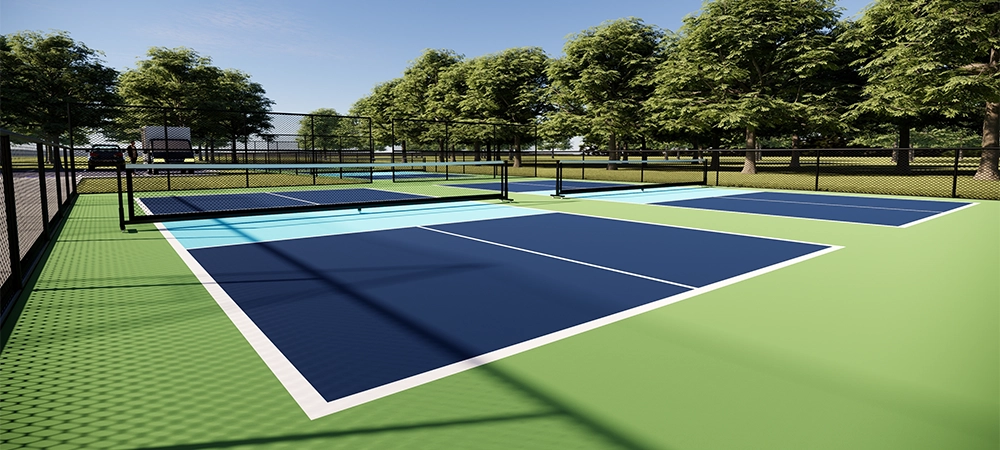
Synthetic turf is more flexible when it comes to installation timing. It can be installed in a wider range of temperatures compared to hard surfaces, making it a practical option for projects that fall outside peak construction seasons. However, proper base preparation and drainage are still essential to prevent shifting or water retention.
Related Article: Synthetic Vs. Acrylic Sport Courts: A Cost and Performance Comparison
Matching Material to Your Timeline
Choosing the right surface is not just about preference; it should align with your construction window and local climate. For example:
- Spring builds often favour asphalt bases followed by acrylic coatings as temperatures stabilize
- Summer allows for faster installation across most materials, but requires planning due to demand
- Fall works well for concrete and coatings, provided temperatures remain consistent
- Off-season projects may lean toward synthetic turf or indoor installations
Each material has specific requirements for installation and curing. Planning ahead with an experienced contractor ensures the surface is installed under the right conditions, which protects performance, safety, and long-term value.
When to Book Your Project
Even if construction starts in spring or summer, planning should begin months in advance. High-quality contractors often have full schedules during peak seasons.
Ideal Planning Timeline
- Winter: Research, design, and consultation
- Early Spring: Finalize plans and begin construction
- Summer: Complete builds and start using the court
- Fall: Alternative build window with fewer delays
Working With the Right Contractor
Timing alone is not enough. The quality of installation determines how well the court performs over time.
CrowAll focuses on:
- Precision grading for proper drainage
- High-quality materials suited to the climate
- Custom court solutions for tennis, basketball, and pickleball
This level of detail helps extend the lifespan of the court while maintaining consistent playability.
Build Smarter, Not Later
Starting at the right time reduces risks and improves long-term results. Whether you choose spring, summer, or fall, proper planning and expert installation make the biggest difference.
If you are considering a new sports court or resurfacing an existing one, working with an experienced contractor ensures the project runs smoothly from start to finish.
Reach out to CrowAll to schedule a consultation and secure the right timing for your build.
Frequently Asked Questions
What is the best month to start building a sports court?
Late spring to early summer is ideal because temperatures support proper curing and weather conditions are more stable.
Can sports courts be built during rainy seasons?
It is possible, but rain can delay excavation and surface application. Proper drainage planning becomes critical in these conditions.
How long does it take to build a sports court?
Most outdoor courts take 2 to 6 weeks depending on size, materials, and weather conditions.
Does temperature affect court durability?
Yes. Extreme cold or heat during installation can impact how materials set, which affects long-term performance.
Is fall better than summer for construction?
Fall can be a great option due to cooler temperatures and lower contractor demand, provided the project finishes before freezing conditions.
When should I book a contractor for spring construction?
It is best to book during winter to secure availability and allow time for planning.
For homeowners planning further into the cold months, that same seasonal logic applies to backyard ice rink construction, since site prep and grading still need to happen before the ground freezes.