
How Much Does It Cost to Build a Tennis Court in 2026
Building a tennis court in 2026 is a big decision, whether it is for a private property, a school, or a sports club. Beyond the excitement of having a dedicated place to play, the real question most people ask first is simple: how much will it actually cost?
The short answer is that tennis court pricing varies widely. The longer answer is that cost depends on surface type, site conditions, construction standards, and how well the court is built from the ground up.
This guide walks through real 2026 pricing in Ontario, explains what drives costs higher or lower, and helps you budget with fewer surprises.
Related Article: What Are the 4 Types of Tennis Courts?
Average Cost to Build a Tennis Court in 2026
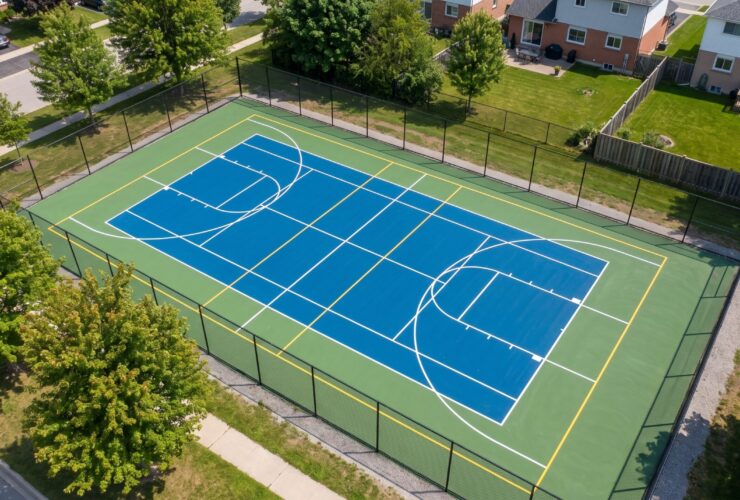
A regulation outdoor tennis court measures 78 feet by 36 feet for doubles, but once you add proper runoff space, fencing, and drainage, the total build footprint is much larger. Most full builds require an area closer to 120 feet by 60 feet.
In 2026, professionally built tennis courts in Ontario typically fall within these ranges:
- Asphalt court with acrylic coating: $45,000 to $70,000
- Concrete court with acrylic surface: $65,000 to $95,000
- Clay or synthetic clay court: $70,000 to $110,000
- Cushioned acrylic court system: $75,000 to $120,000
These figures assume proper excavation, base preparation, drainage, laser-guided grading, and regulation line striping. Budget quotes that fall far below these ranges often exclude critical groundwork that affects court’s lifespan.
Why Tennis Court Costs Vary So Much
Two tennis courts can look identical on the surface and still differ in cost by tens of thousands of dollars. The reason is almost always what happens underneath.
Site Conditions and Soil Quality
Before any surface goes down, the ground must be prepared correctly. Soil type, moisture retention, and slope all affect how much work is required.
Common site-related cost drivers include:
- Poor drainage or clay-heavy soil
- Significant slope or uneven terrain
- Tree roots or old concrete removal
- Limited access for machinery
Challenging sites can add $8,000 to $20,000 to a project, but skipping this work often leads to cracks, pooling water, and premature resurfacing.
Base Construction Matters More Than Surface Colour
The base is the most important part of a tennis court, yet it is the least visible once the project is finished. A properly built base distributes weight evenly, supports drainage, and resists freeze-thaw movement.
High-quality builds typically include:
- Deep excavation
- Compacted granular stone layers
- Precise grading for drainage
- Structural asphalt or concrete base
This stage accounts for a large portion of the total cost, but it also determines how long the court lasts.
Related Article: Can Sports Surfaces Be Sustainable?

Surface Types and Their Cost Impact
Choosing the right surface affects both upfront cost and long-term maintenance.
Asphalt with Acrylic Coating
This is the most common surface for residential and recreational courts.
Why people choose it:
- Lower initial cost
- Familiar playing speed
- Works well for multi-sport use
What to budget for:
- Resurfacing every 3 to 5 years
- Crack repairs in freeze-thaw climates
It is cost-effective upfront but requires consistent maintenance to stay in good condition.
Concrete Tennis Courts
Concrete courts cost more to build but offer greater structural stability.
Benefits include:
- Fewer structural cracks
- Longer base lifespan
- More consistent playing surface
Concrete courts are often chosen by schools, clubs, and facilities planning for long-term use.
Clay and Synthetic Clay Courts
Clay courts are softer and slower, which many players prefer for training and joint comfort.
Cost considerations:
- Higher material and labour costs
- Regular maintenance and grooming
- Seasonal preparation in Ontario climates
Synthetic clay offers similar play characteristics with reduced upkeep, but it still carries a higher price tag than hard courts.
Cushioned Acrylic Systems
Cushioned systems add rubber or elastic layers between the base and acrylic coating.
Why do they cost more?
- Additional material layers
- More installation time
- Higher-performance surface system
These courts reduce joint strain and are popular for clubs focused on player comfort.
Related Article: Top Mistakes That Damage Sports Courts–And How to Avoid Them
Drainage, Grading, and Why Precision Costs More
In Ontario, drainage is non-negotiable. Even a slight grading error can cause water to sit on the surface, accelerating wear and creating unsafe playing conditions.
Professional builders use laser-guided grading to achieve a precise slope across the court. This ensures:
- Water moves off the surface efficiently
- No low spots form over time
- Coatings wear evenly
Proper drainage systems may include perimeter drains, engineered slopes, and subsurface water management. These steps add to upfront cost but dramatically reduce long-term repairs.

Fencing, Lighting, and Court Accessories
A tennis court is not complete without the surrounding features that make it usable.
Common additions include:
- Chain-link fencing and gates
- Windscreens
- Net posts and regulation nets
- Line striping and colour coating
Lighting is one of the largest optional upgrades. Depending on pole height, fixture quality, and electrical access, lighting systems can add $15,000 to $40,000 to a project.
Residential vs Club-Level Tennis Courts
Residential courts often focus on casual play and aesthetics. Club, school, and municipal courts must handle higher traffic and stricter standards.
Club-level courts typically require:
- Thicker bases
- More durable surface systems
- Higher fencing
- Brighter, uniform lighting
These requirements can raise costs by 20 to 40 percent per court, but they also extend usable life under heavy play.
Indoor Tennis Court Cost Differences
Indoor tennis courts are a completely different investment category.
Typical costs include:
- Single indoor court: $250,000 to $500,000+
- Structural framing and roof systems
- Heating, insulation, and ventilation
- High ceilings and lighting
Some facilities use seasonal air-supported domes to reduce upfront cost, but these still require proper base construction and annual setup.
Related Article: How to Tell When It’s Time to Resurface Your Tennis Court
Long-Term Maintenance Costs to Expect
Building the court is only part of the financial picture.
Most owners should budget for:
- Annual inspections and cleaning
- Crack filling and patch repairs
- Line repainting
- Full resurfacing every few years
Annual maintenance costs typically range from $1,500 to $3,000, depending on surface type and usage levels.
Why Professional Installation Protects Your Budget
Poor construction almost always shows up later as unexpected repair costs. Uneven bounce, surface cracking, and drainage issues are usually tied to shortcuts taken during excavation or base preparation.
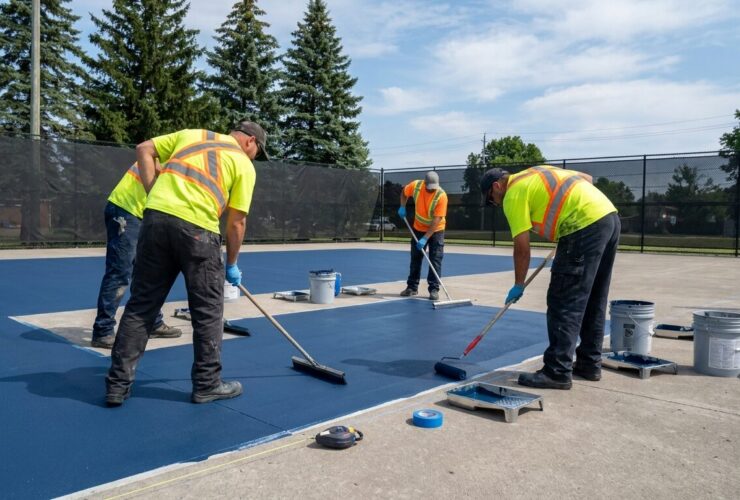
Experienced contractors follow sport-specific standards for grading, compaction, and surfacing. In Ontario, companies like ours, CrowAll, focus on tennis court construction and resurfacing using laser-guided grading and proven surface systems designed for Canadian conditions.
Is Building a Tennis Court Worth It in 2026?
For homeowners, a well-built tennis court adds lifestyle value and can improve property appeal in higher-end markets. For schools and clubs, it supports programming, safety, and long-term member satisfaction.
The key takeaway is simple. The true cost of a tennis court is not just what you pay upfront, but how well it holds up over time.

Planning Your Tennis Court Budget With Confidence
Before committing, it helps to:
- Assess site conditions early
- Choose a surface based on usage goals, not just price
- Allocate budget for proper drainage and base work
- Plan for ongoing maintenance
- Work with experienced tennis court builders
Clear planning leads to predictable costs and a court that performs well year after year.
Ready to Price Your Tennis Court Build?
If you are planning to build a tennis court in 2026, the smartest next step is a site assessment and a detailed quote. A professional review helps confirm surface options, drainage needs, and realistic costs before construction begins.
Speak with our experienced sports court contractor to review your property and get clear pricing based on how the court will actually be used.
Frequently Asked Questions
How long does it take to build a tennis court?
Most outdoor courts take 4 to 8 weeks from excavation to final surfacing. Weather, curing time, and site access can affect timelines.
Can a tennis court be built on a sloped yard?
Yes. Additional excavation and grading are required, which increases cost but improves stability and drainage.
Which tennis court surface lasts the longest in Ontario?
Concrete bases with acrylic coatings often last longer due to reduced cracking in freeze-thaw conditions.
Is resurfacing cheaper than rebuilding a tennis court?
Yes, if the base is structurally sound. Drainage failures or major cracks usually require full reconstruction.
Do tennis courts increase property value?
In certain markets, a well-built tennis court can increase buyer interest and overall property appeal.