
Business Plan Basics: Opening a Profitable Pickleball Club from the Ground Up
Pickleball has become one of the fastest-growing sports in North America, creating opportunities for entrepreneurs to build profitable clubs. Demand is high, waitlists are long, and players of all ages are searching for well-designed facilities. A structured business plan ensures your investment is sustainable and attractive to members, lenders, and sponsors.
This guide outlines how to research your market, design safe and durable courts, diversify revenue streams, and manage operations for long-term success.
Understanding the Market
Pickleball’s popularity extends across demographics. Seniors enjoy its low-impact nature, younger players appreciate the fast pace, and families value its accessibility. To capture this demand, begin with thorough market research.
Survey existing facilities in your region. Note the number of courts, booking systems, lesson offerings, and membership pricing. Identify gaps such as limited indoor facilities, lack of coaching programs, or no dedicated club culture.
Primary target groups often include:
- Retirees looking for recreational activity and social connection
- Competitive players seeking leagues and tournaments
- Casual players and families who prefer flexible drop-in options
Document these segments in your business plan and tailor membership tiers to their needs.
Related Article: Do I need Permits to Build a Sports Court? What You Should Know Before Breaking Ground
Choosing the Right Location
Location influences visibility, accessibility, and growth potential. A profitable club requires space for multiple courts plus amenities such as parking, washrooms, and seating.
When comparing sites, evaluate:
- Proximity to major roads and public transit
- Land size for current needs and expansion
- Local zoning bylaws and recreation-related restrictions
- Surrounding community demographics
A suburban site may provide affordable land for six or more courts, while an urban site can command higher membership fees due to convenience and visibility. Balance upfront costs with long-term potential.
Facility Design and Court Construction
The quality of your courts will define member satisfaction. Experienced contractors like CrowAll use laser-guided grading to deliver surfaces that meet competitive standards. This precision ensures proper slope for drainage, uniform bounce, and reduced risk of injury.
Surface Options
Pickleball courts are usually built on asphalt or concrete bases with acrylic coatings that improve traction and durability. Alternatives include synthetic turf or cushioned rubberized systems for specific indoor applications.
Backyard pickleball court installation is becoming popular among homeowners who want private play space and a long-term boost in property value.
Key considerations:
- Outdoor clubs benefit from acrylic-coated asphalt for cost-effectiveness and resilience.
- Indoor clubs may use cushioned surfaces that reduce impact on joints.
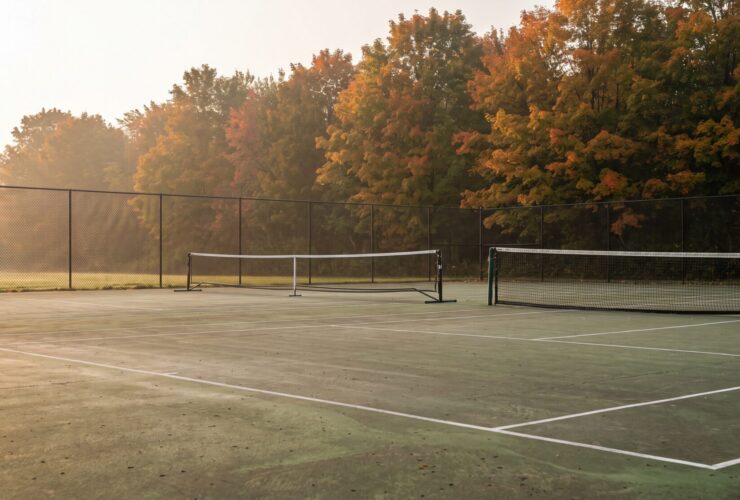
- Converted tennis courts can be resurfaced and relined to create multiple pickleball courts.
Regular resurfacing every three to five years keeps courts safe and attractive, while ongoing inspections prevent cracks, pooling water, and surface wear from escalating.
Related Article: How to Tell When It’s Time to Resurface Your Tennis Court

Revenue Streams Beyond Court Rentals
A single-source model limits profitability. The most successful clubs combine multiple revenue streams:
- Memberships: Offer monthly, quarterly, and annual packages with perks such as priority booking and free guest passes.
- Drop-in play: Charge per session for casual users or visitors.
- Lessons and clinics: Employ certified coaches for private and group instruction.
- Leagues and tournaments: Collect entry fees, secure sponsorships, and attract players from surrounding areas.
- Corporate events: Rent courts for team-building or fundraisers.
- Retail: Sell paddles, balls, apparel, and accessories.
- Food and beverage: A small café, bar, or vending area increases revenue per visit.
Diverse income streams protect against seasonal slowdowns and improve cash flow.
Related Article: Top 5 Benefits of Having an Indoor Pickleball Court in Your Facility
Building an Operations Plan
Smooth operations keep members satisfied and costs under control. A strong business plan details daily and long-term processes.
Staffing Needs
- General Manager: Oversees memberships, finance, and marketing.
- Front Desk Staff: Handles bookings and customer service.
- Coaches: Deliver lessons and clinics.
- Maintenance Crew: Keeps courts, equipment, and facilities in top condition.
- Retail or Café Staff: Manage sales and refreshments.
Maintenance Schedule
Courts require daily cleaning, weekly checks for damage, and resurfacing on a multi-year cycle. Proper drainage, high-quality coatings, and professional inspections reduce long-term costs and liability risks.
Financial Planning and Forecasting
A credible financial section is central to your business plan. Include realistic projections, capital requirements, and a clear path to profitability.
Start-Up Costs
- Land acquisition or leasehold improvements
- Court construction, lighting, fencing, and equipment
- Washrooms, storage, and social areas
- Booking systems, website, and marketing campaigns
Operating Costs
- Salaries and contractor fees
- Utilities and insurance premiums
- Court maintenance and resurfacing
- Retail inventory and supplies
Revenue Forecasts
- Membership growth month by month
- Average revenue per user
- Tournament and event income
- Sponsorship and advertising
A small outdoor facility may require investment in the mid-five-figure range, while full-service indoor clubs can exceed half a million dollars. Provide a break-even analysis and cash-flow forecast for at least three years.
Related Article: Cost Breakdown: What to Expect When Installing a Sports Court

Legal and Compliance Considerations
Legal compliance protects your investment. Confirm that your site meets local zoning and recreational-use regulations. Draft membership agreements, event contracts, and instructor terms with professional legal support.
Essential protections include:
- General liability insurance for injuries and property damage
- Property insurance for buildings and inventory
- Workers’ compensation for staff
- Event coverage for large tournaments
Written waivers and clear safety rules should be standard practice for all players.
Marketing and Membership Growth
Start building awareness months before your opening date. Highlight features such as state-of-the-art courts, certified coaches, and community atmosphere.
Effective strategies:
- Offer discounted pre-launch memberships
- Host free trial sessions to showcase the facility
- Partner with schools and retirement communities
- Run social media campaigns featuring testimonials and event highlights
- Secure local sponsors for leagues and tournaments
Retention is as important as acquisition. Reward referrals, create loyalty programs, and provide consistent programming to keep members engaged.
Events and Sponsorship Opportunities
Tournaments and leagues generate revenue and raise your club’s profile. They also attract regional players who may convert to members.
Offer sponsorship packages to local businesses that include signage, naming rights, and digital promotion. Develop recurring annual events that become community traditions, boosting both exposure and revenue.
Scaling for the Future
Once the foundation is secure, look at scaling options:
- Add more courts to handle demand
- Expand into fitness classes, wellness programs, or youth camps
- Franchise your operating model into new communities
- Build partnerships with travel groups for pickleball tourism packages
Scaling increases long-term value but requires consistent reinvestment in facilities and staff.
Measuring Success
Tracking performance ensures you stay aligned with your plan. Key metrics include:
- Membership growth and retention
- Court utilization rates
- Average revenue per member
- Lesson and clinic enrolment
- Event profitability
- Sponsorship yield
Use these insights to refine pricing, adjust marketing, and schedule expansion.
Moving from Plan to Reality
A profitable pickleball club starts with clear planning, high-quality construction, and a commitment to community. By diversifying revenue, building strong operations, and investing in durable courts, you create a facility that attracts members and sponsors while standing the test of time.
Partner with experienced contractors like CrowAll. We specialize in pickleball and tennis court construction. Our precision laser-guided grading and scheduled resurfacing ensure safe, consistent, and long-lasting courts.
Contact us today to discuss your project and begin transforming your pickleball club business plan into a facility players will value.

Frequently Asked Questions
- How much space is needed for a pickleball club?
A standard court measures 20 by 44 feet, but you need space for buffers, walkways, and amenities. Four courts often require at least half an acre.
- Can existing tennis courts be converted?
Yes. One tennis court can often accommodate four pickleball courts with resurfacing and new line painting.
- What is the typical cost to build a facility?
Small outdoor projects may start at $50,000, while large indoor clubs can exceed $500,000.
- How often should courts be resurfaced?
Hard courts generally need resurfacing every three to five years, depending on usage and climate.
- Do all clubs need full-time staff?
Small facilities can operate with part-time help, but larger clubs benefit from a manager, coaches, and maintenance personnel.
- Is indoor pickleball more profitable than outdoor?
Indoor clubs provide year-round revenue but face higher construction and operating costs.
- What membership models work best?
Flexible monthly passes, annual memberships, and family packages tend to attract the widest audience.
- Can tournaments generate significant revenue?
Yes. Tournaments provide entry fees, food sales, and sponsorship opportunities while increasing visibility.
- What insurance is mandatory?
General liability, property, and workers’ compensation insurance are essential. Additional event insurance may be required.
- How do clubs stand out from competitors?
Differentiate with high-quality courts, strong coaching staff, community events, and amenities such as a café or pro shop.