Pickleball Court Construction Toronto

Pickleball Court Construction Toronto

Building a pickleball court in Toronto involves more than selecting a surface and marking lines. Properties vary widely, from compact urban lots to larger residential spaces, and each comes with its own set of constraints. Ignoring these early on often leads to courts that look finished but feel inconsistent during play.

A reliable court depends on how well it is adapted to the space. That includes how the ground is prepared, how water is managed, and how the layout fits within the property. When these elements are handled correctly, the court remains usable and consistent through regular use and changing weather.

At CrowAll, the focus is on building courts that function properly within real Toronto conditions, not just completing installations.

Start With How the Space Will Be Used

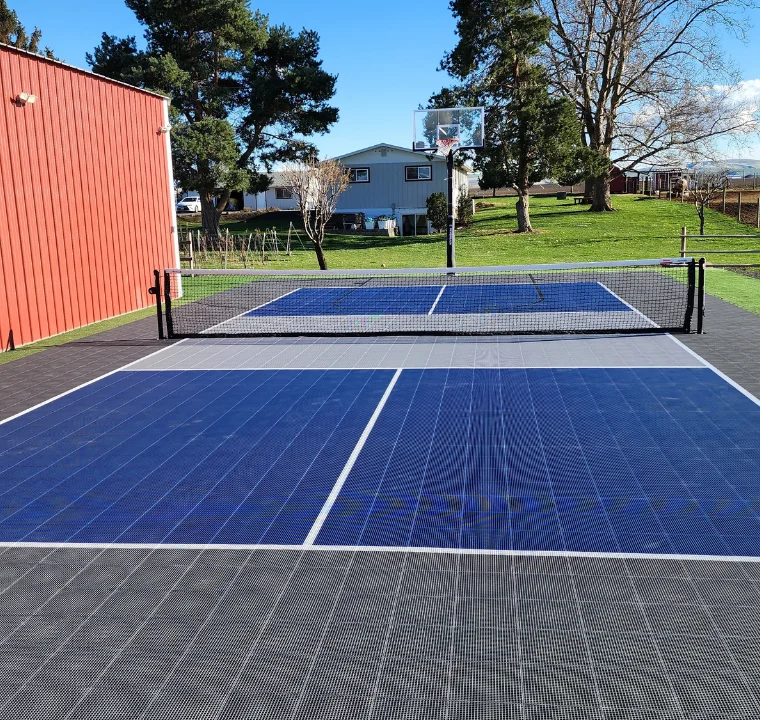
Before any construction begins, it is important to understand how the court will fit into your property and how it will be used over time. In Toronto, space is often shared between multiple outdoor features, which affects both layout and access.

Planning involves:

  • Determining how much usable space is available
  • Considering movement around the court
  • Identifying nearby structures that affect placement
  • Understanding how the court will be used daily

For residential builds, reviewing the backyard pickleball court installation process can help connect these decisions to how the project will unfold.

Get A Free Quote Today!
Start With How the Space Will Be Used Toronto
Why Urban Conditions Change the Build Approach Toronto

Why Urban Conditions Change the Build Approach

Toronto properties often come with limitations that are not obvious at first glance. Narrow access points, older ground conditions, and surrounding structures can all influence how construction is carried out.

Instead of applying a fixed method, the build is adjusted based on:

  • Site accessibility for equipment
  • Existing grading and elevation
  • Soil stability and drainage paths
  • Integration with surrounding features

This approach reduces the risk of issues that typically appear after installation.

Get A Free Quote Today!

Managing Water Without Compromising Playability

In a dense urban environment, water cannot simply flow away without direction. Poor drainage can lead to surface damage or impact nearby areas of the property.

To address this, the base is shaped with precision using a laser-guided grading process. This ensures that water is directed away from the court while maintaining a level and consistent playing surface.
Proper drainage planning is one of the main factors that determines whether a court will remain usable over time.

Get A Free Quote Today!
Managing Water Without Compromising Playability Toronto
A More Accurate Way to Think About Cost Toronto

A More Accurate Way to Think About Cost

Costs in Toronto projects are often influenced by preparation and constraints rather than just materials. Two courts of the same size can vary significantly in price depending on what is required to build them properly.

Cost considerations typically include:

  • Site preparation and excavation complexity
  • Base construction requirements
  • Drainage solutions
  • Surface system and finishing
  • Optional additions such as fencing or lighting

For a location-specific breakdown, this guide on pickleball court construction costs in Toronto explains what to expect based on real project conditions.

Get A Free Quote Today!

How Scheduling Works in a City Setting

Timelines in Toronto are shaped by more than just construction time. Access, coordination, and weather all play a role in how quickly a project can move forward.

Common factors that affect scheduling:

  • Limited access for machinery
  • Weather interruptions
  • Time needed for base stabilization
  • Coordination between construction stages

Understanding these factors helps set realistic expectations. Our overview of how long sports court construction takes outlines how each phase contributes to the overall timeline.

Get A Free Quote Today!
How Scheduling Works in a City Setting Toronto
What Goes Into a Reliable Court Build Toronto

What Goes Into a Reliable Court Build

Rather than focusing on steps, it helps to look at the build as a connected system.

Initial Ground Preparation

The site is adjusted to create a stable and workable base. This includes correcting slope and preparing for drainage.

Base Installation

A compacted structure is installed to support the court and prevent long-term movement.

Surface Application

The playing surface is applied evenly to maintain consistent performance across the entire court.

Final Coating and Markings

The finishing layer adds grip, protects the surface, and defines the court layout for gameplay.

Each part depends on the accuracy of the one before it.

Get A Free Quote Today!

Integrating the Court Into the Property

In Toronto, the court is rarely a standalone feature. It needs to fit into an existing outdoor layout without creating new issues.

With well-planned landscaping design services, you can:

  • Improve drainage around the court
  • Reduce debris accumulation
  • Create a more functional outdoor space

This ensures the court works as part of the property rather than disrupting it.

Get A Free Quote Today!
Integrating the Court Into the Property Toronto
Why CrowAll Is Trusted for Projects in Toronto

Why CrowAll Is Trusted for Toronto Projects

Urban construction requires a different level of attention to detail.

  • Experience working within constrained residential spaces
  • Strong focus on grading and structural preparation
  • Custom layouts based on actual site conditions
  • Emphasis on long-term performance

The result is a court that performs consistently despite the challenges of a city environment.

Get A Free Quote Today!

FAQ

Yes, but the layout may need to be adjusted to fit the available space while maintaining safe play. Proper planning ensures the court remains usable even in tighter areas.

Limited access, varying soil conditions, and close proximity to other structures all contribute to added complexity.

Water is directed through controlled grading and drainage planning so it moves away from both the court and surrounding areas.

Routine cleaning and occasional resurfacing will keep the court in good condition. Our pickleball court resurfacing and maintenance guide explains how to manage long-term upkeep.

Yes, but it is more efficient to plan for lighting during the initial build to avoid additional work later.

A site assessment will determine whether the space can support a court and what adjustments are needed.

Focus on base preparation, drainage, and layout. These have the greatest impact on performance and durability.

A standard pickleball court measures 20 feet by 44 feet for the playing area. The total recommended area is typically larger to allow for proper clearance on all sides. For a complete breakdown of layout and spacing, you can refer to our guide on pickleball court dimensions and sizing.

Before You Commit to a Design Toronto

Before You Commit to a Design

It is easy to focus on how the court will look, but long-term performance depends on how well it fits the property. Taking time to assess the site first leads to better decisions and fewer adjustments later.

A clear plan at the beginning makes the entire project more efficient and predictable. Talking or discussing with expert sports court installers will make your project go easy.

Contact our team to help you in planning, designing, and we’ll handle all the building of your pickleball court.

Get A Free Quote Today!